
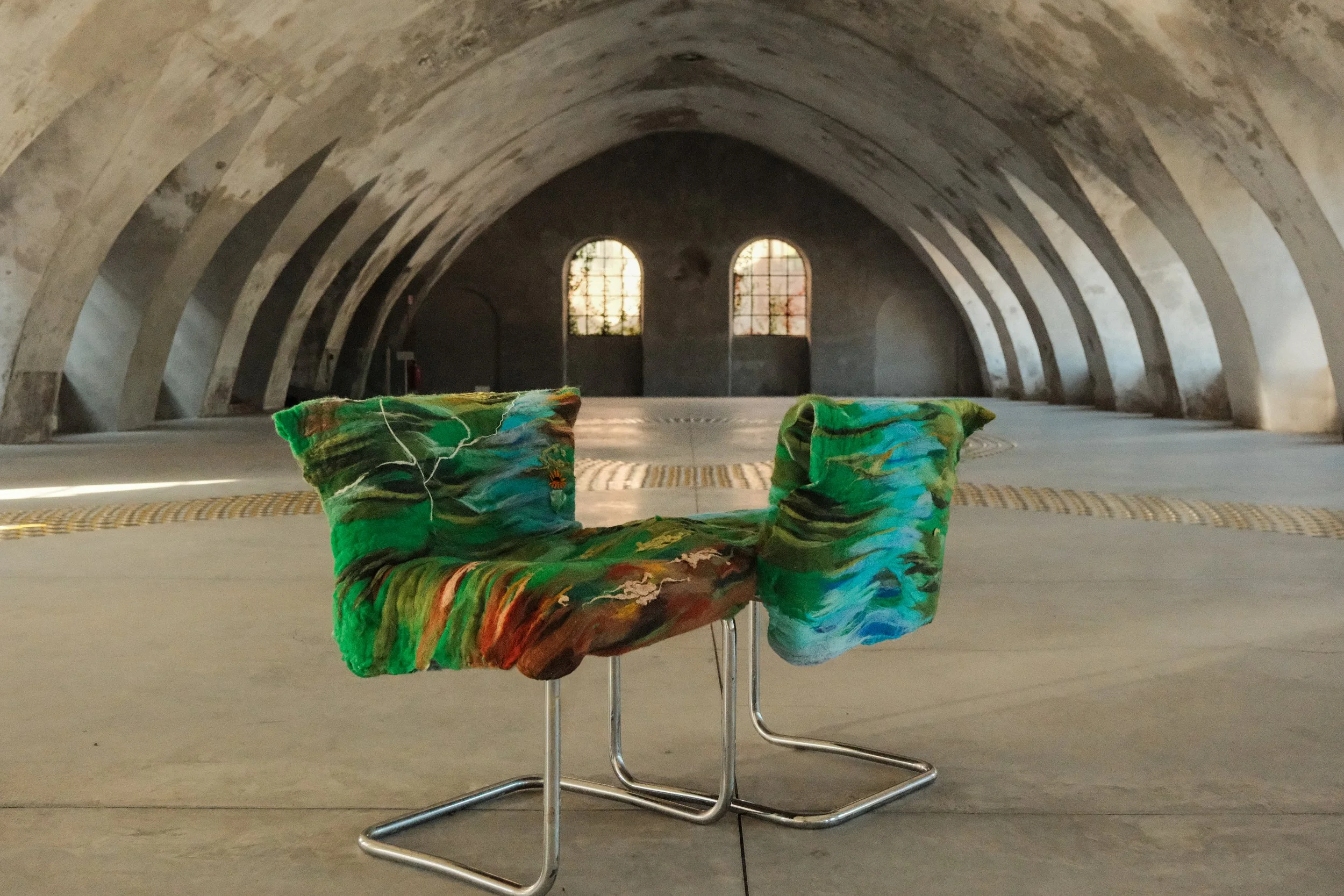
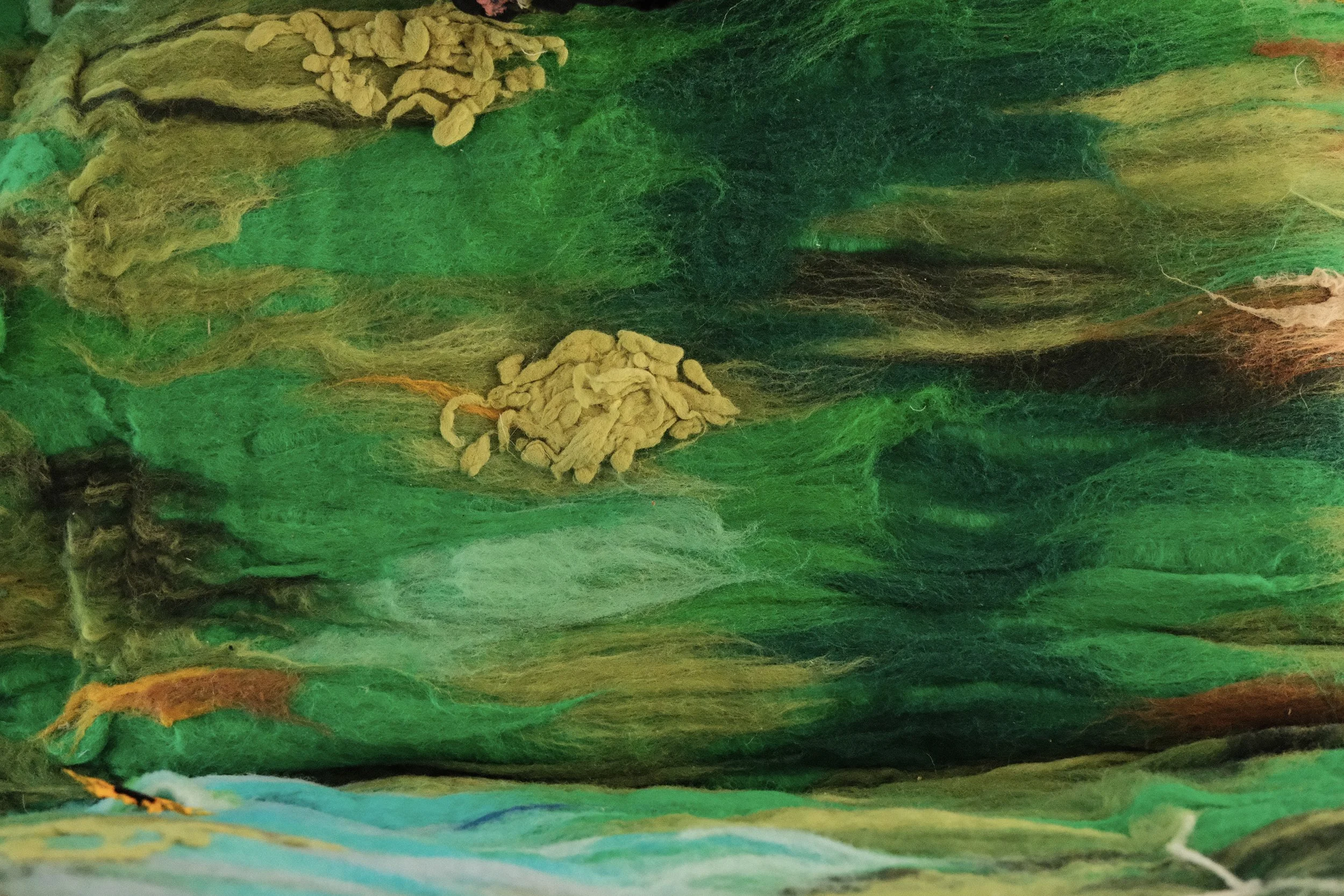
The residency at Cittadellarte-Fondazione Pistoletto (supported by the Inlaks Foundation) served as a laboratory for engaging new botanical and cultural landscapes, and marked an intensive period of material exploration through the ancient craft of felting wool. My research focused on Northern Italy’s ecology, natural fibers and local waste streams. Working with found and foraged materials aligns closely with the ethos of Arte Povera, the 1960s movement central to Michelangelo Pistoletto’s practice and the foundation’s philosophy.
A quote by Arte Povera critic Germano Celant continues to resonate:
“Artists-alchemists who organize living and vegetable objects into magical accomplishments, they work to discover the essence of things so as to recover and exalt them.”
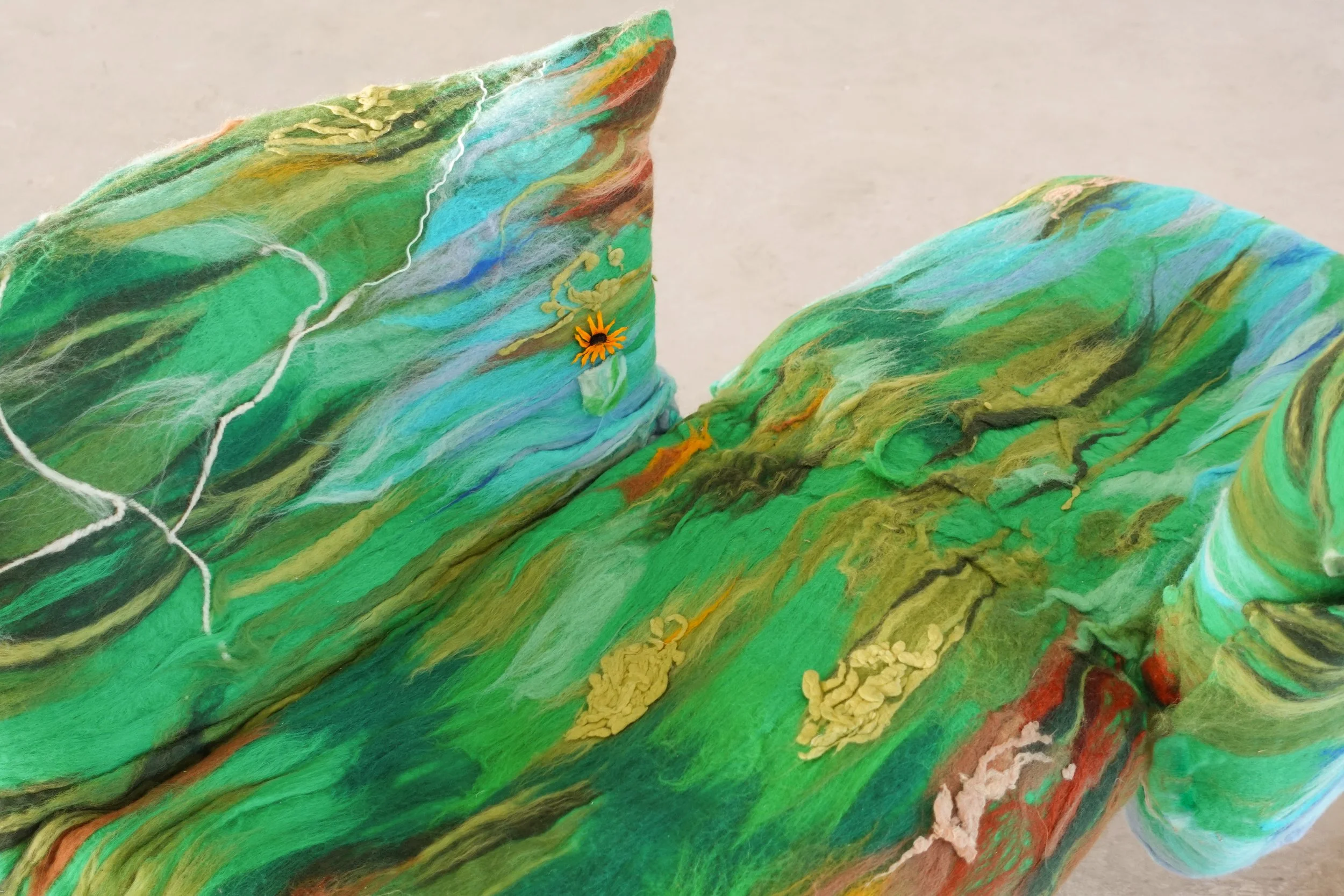
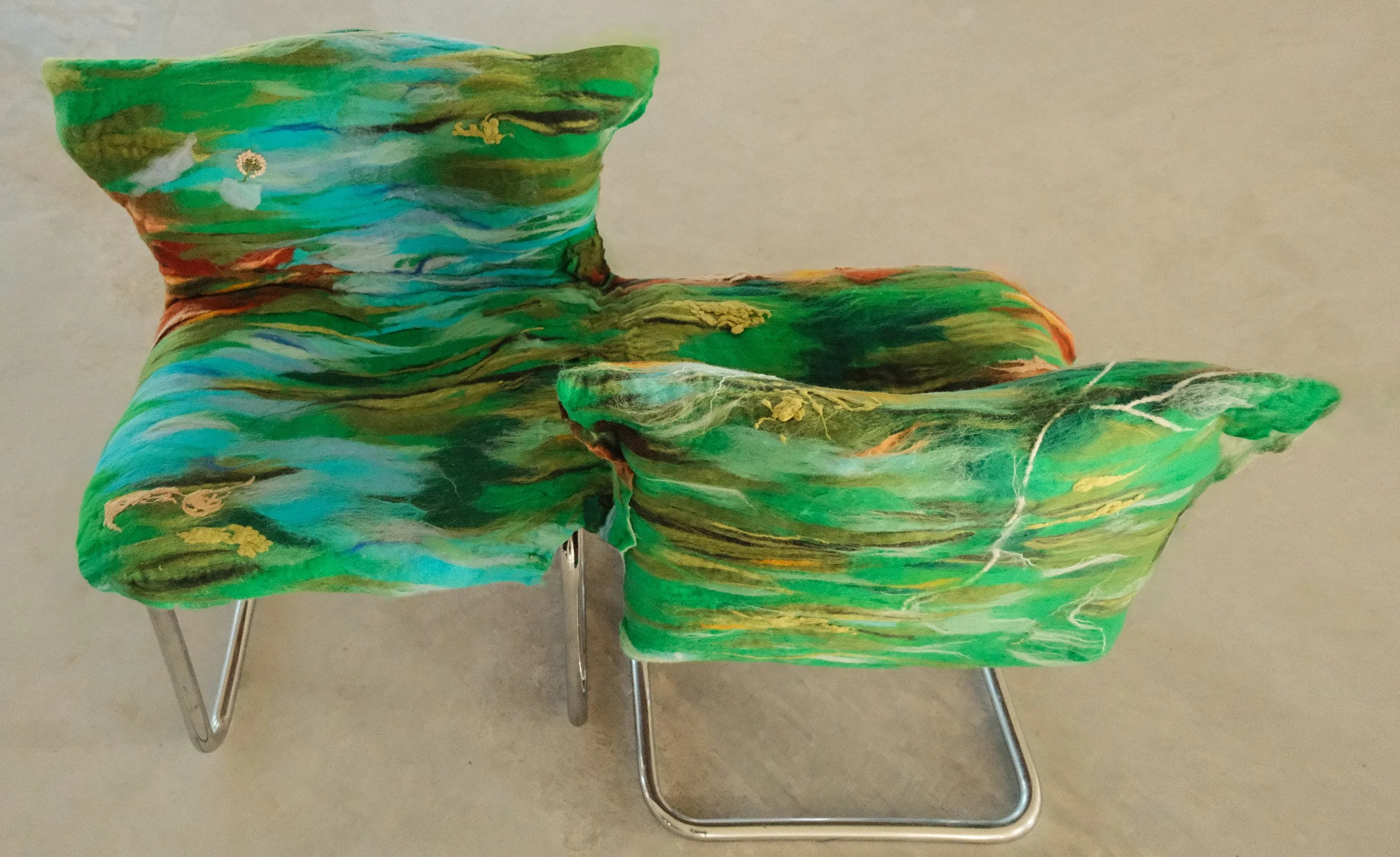
The residency culminated in Conversation Chair One, a wool-felted dual sculptural seating that reinterprets the Victorian tête-à-tête, a 19th-century form designed to foster intimate dialogue between courting couples or political interlocutors. This iteration invites participants to sit facing one another and engage in shared reflection on Biella’s ecology and interdependence.
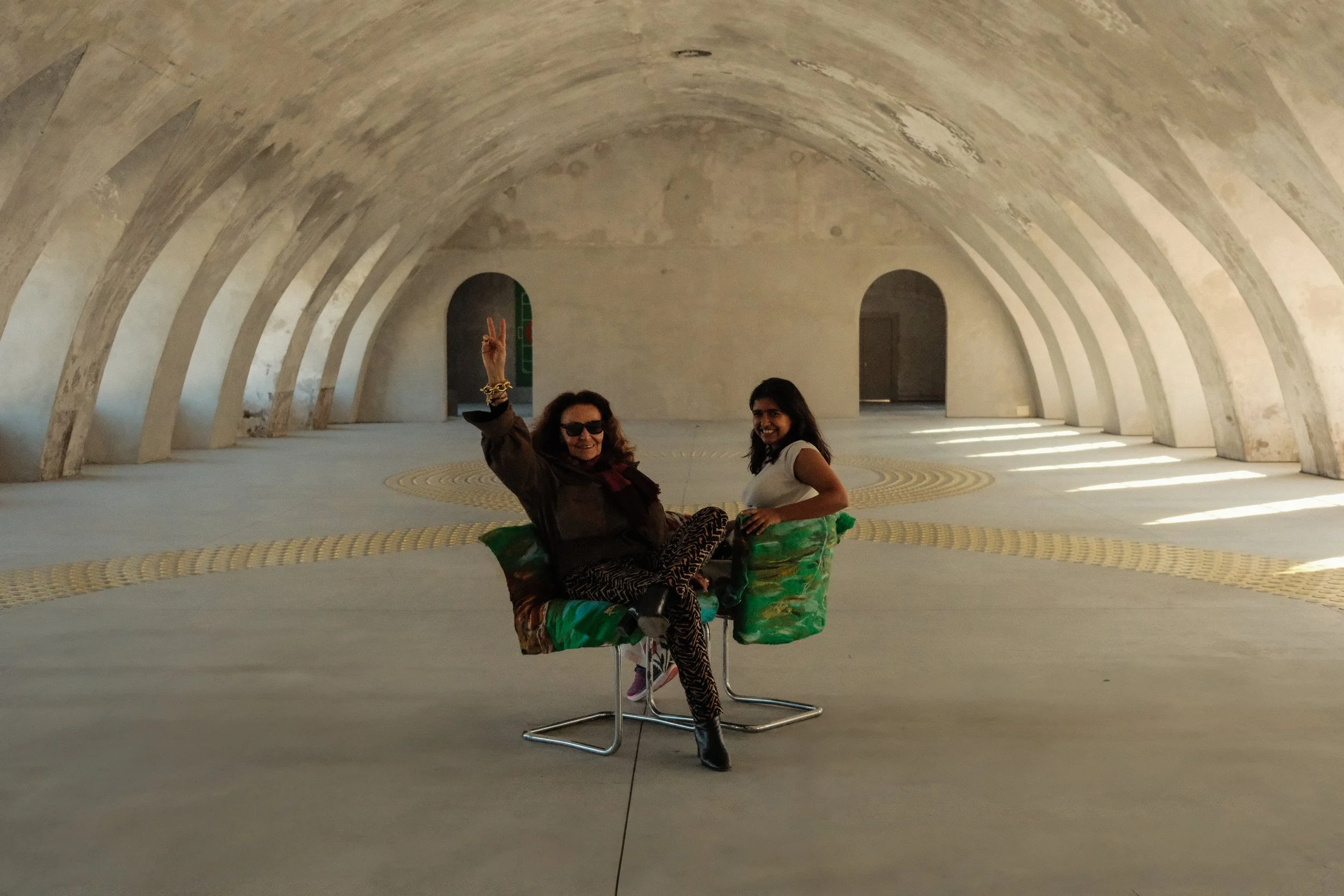
With Diane von Furstenberg (DVF) on the Conversation Chair One
Process:
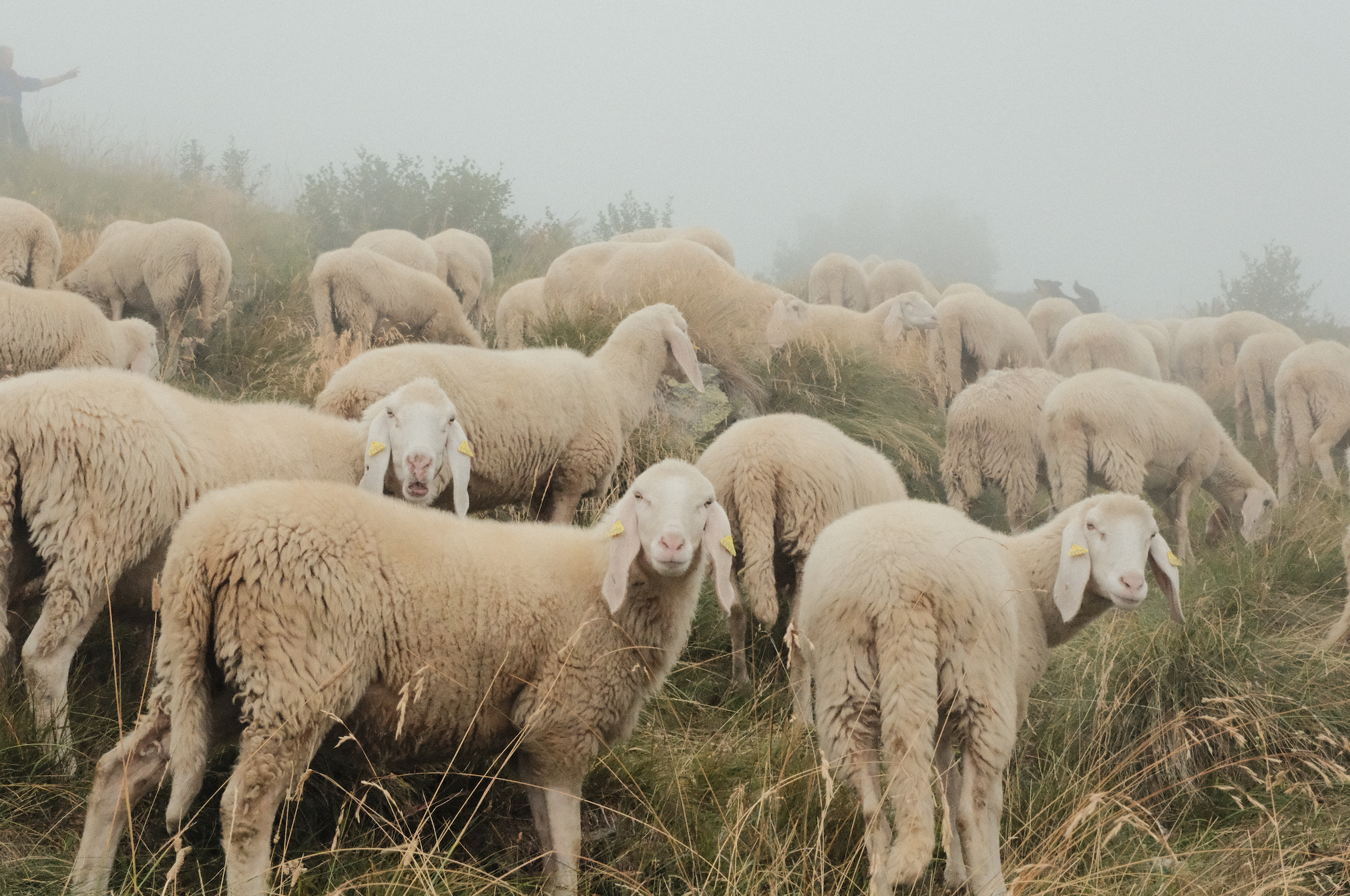
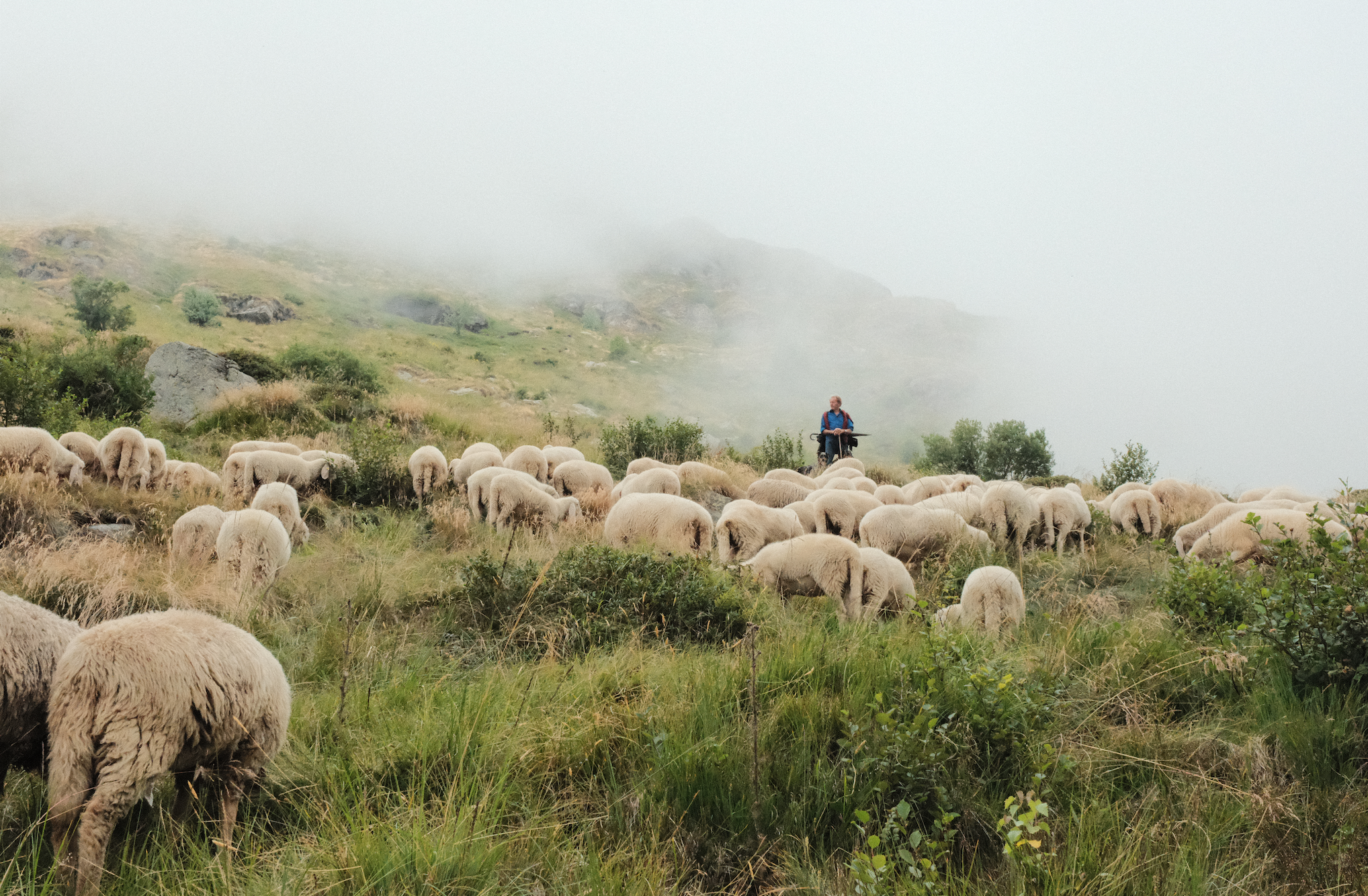
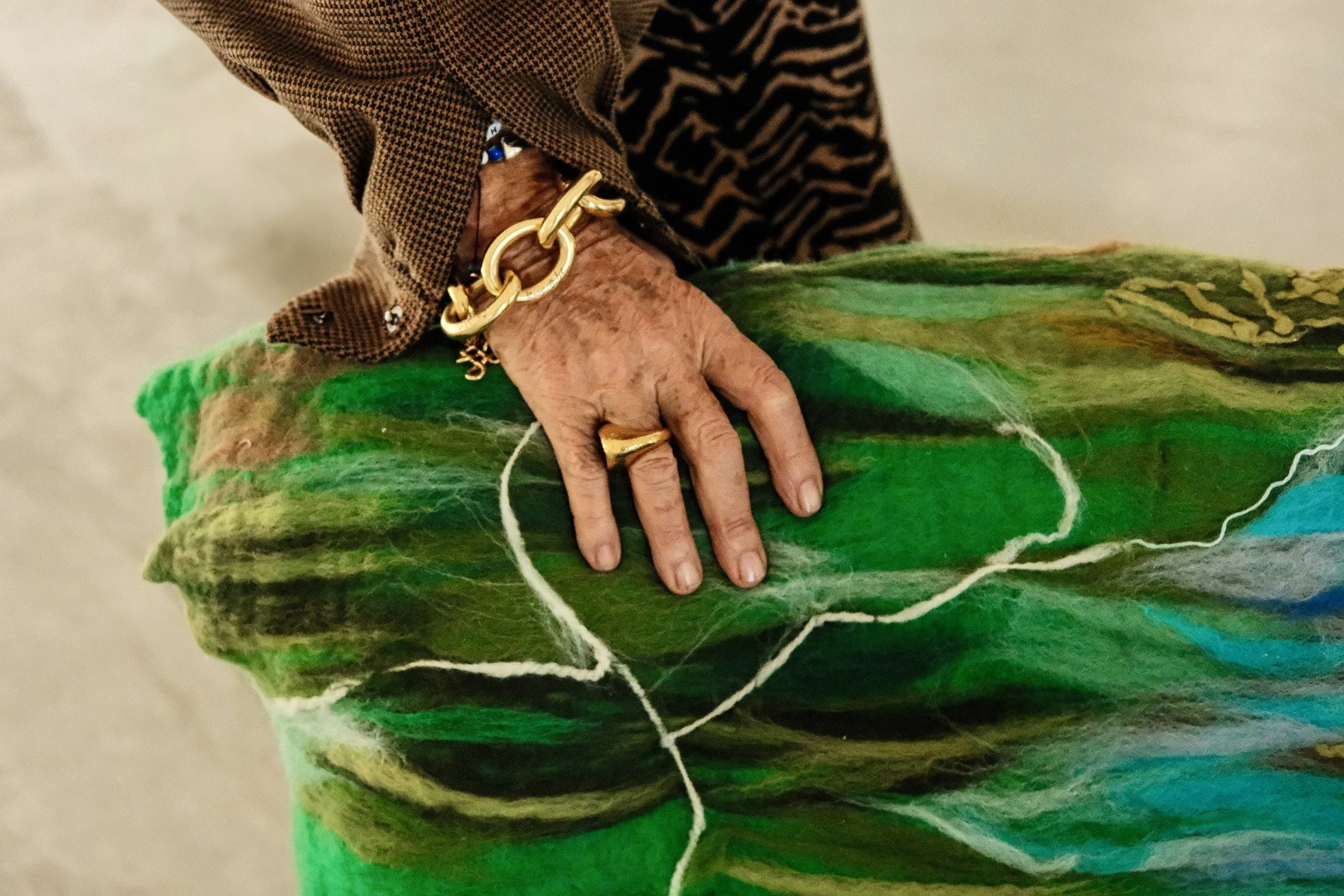
The work was produced using traditional wet felting techniques. Locally sourced wool was first washed and carded by hand to remove grease and impurities, softening the fibers before assembly. Layers of wool were then laid out dry and activated with water, soap, pressure, and heat until the material finally tightened into a durable form.
To bind individual fibers into a single cohesive surface, the felt was rolled and compressed repeatedly, over 800 times, across a two-metre length, in multiple directions. The process was intensely physical, and was a reminder that working with natural materials and craft practices can be equally meditative and demanding.
Principles of Form:
Modularity & Adaptation
Research into over twenty chair typologies informed proportions that allow a single felt covering to adapt across multiple forms. Formed as one continuous flexible pattern rather than stitched components, the chair emphasizes modularity, adaptability, and reuse.Local Materiality
Wool sourced from the Biella Wool Company, including native Biellese wooland locally processed merino, anchors the chair within the region’s long-standing textile heritage.Seeds, flowers, and mica-rich stones native to the area are sown into pockets within the felt, transforming the felt into a portable archive of the landscape.Lineage
The felt design draws fromsatellite imagery of Biella, abstracting the industrial browns of factory roofs, the white of encircling mountains, and the five rivers that define the city’s geography. The material choice is equally intentional: felt traces a nomadic lineage from 5th-century Mongolian yurts to 11th-century namda in India.
All photographs by Dalia Jacobs.
